
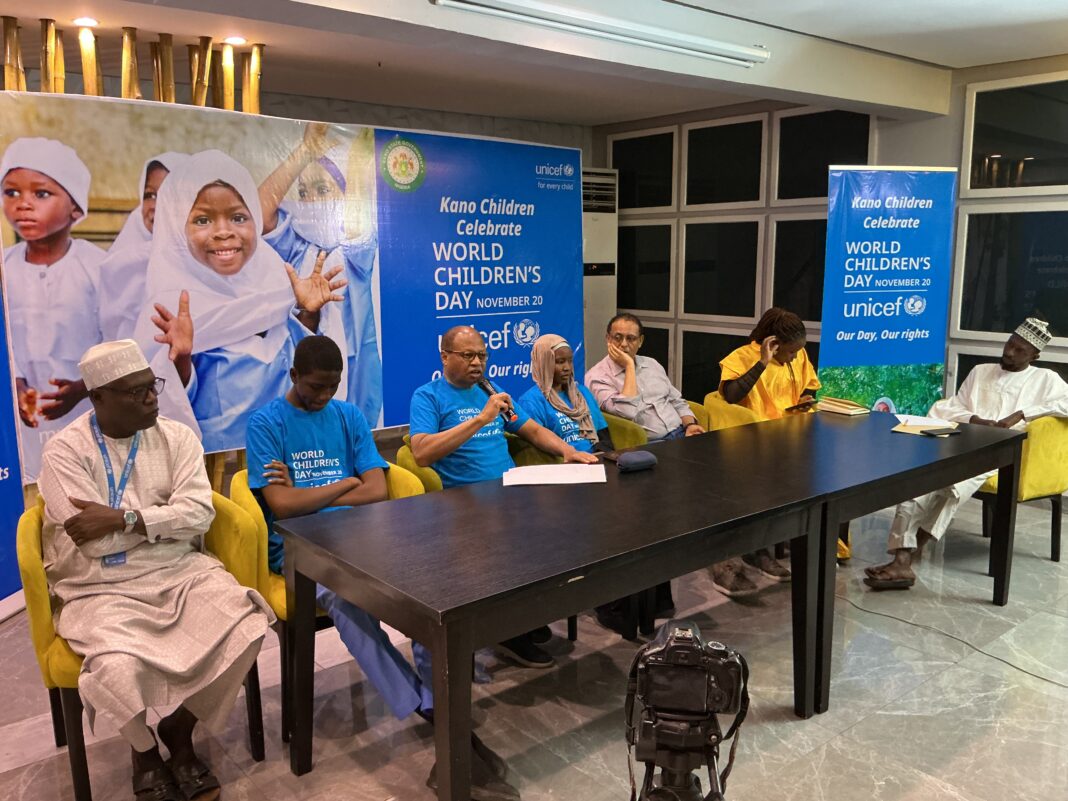

Katsina State has shown commitment to improving the health and education of its children despite significant challenges remain. Speaking in Kano during the 2025 World Children’s Day celebration themed “Our Day, Our Right”, Chief of UNICEF Field Office Kano, Rahama Rihood Mohammed Farah presented the Nigerian Child 2025 report, which highlights progress and persistent problems affecting children in the Northwest, including Katsina, Kano and Jigawa states.
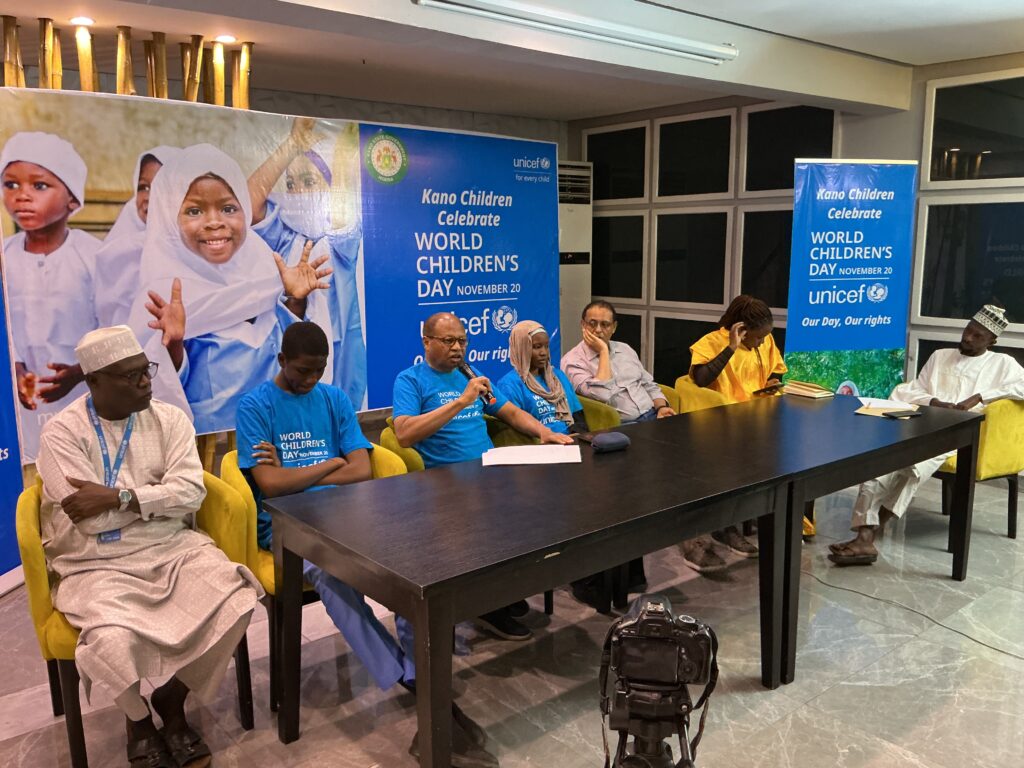
Farah said Nigeria has achieved improvements such as reduced child deaths, increased vaccination coverage and higher birth registration. In the first half of 2025 alone, more than 1.3 million people received health services and 340,000 children were treated for severe acute malnutrition. Despite these gains, children in Katsina continue to face challenges.
According to the 2024 Nigeria Demographic and Health Survey NDHS, stunting rates stand at 64.6 percent in Katsina, compared with 51.9 percent in Kano and 55.7 percent in Jigawa. “Malnutrition remains high in the Northwest, with Nigeria ranking first in Africa and second globally for the number of malnourished children,” Farah said.
On education, millions of children in the North are out of school, while those attending often struggle due to overcrowded classrooms, insecurity and poverty. In Katsina, 112 Qur’anic schools now operate a dual curriculum, integrating formal education with religious studies, expanding learning opportunities for children across the state.
Farah also highlighted UNICEF’s ongoing support to Katsina. The state government has invested over one billion naira in malnutrition treatment programs and all Local Government Areas have committed one percent of their budgets to nutrition. Water, sanitation and hygiene facilities have been upgraded in schools and health centers while initiatives such as the Nigeria Learning Passport are expanding access to education.
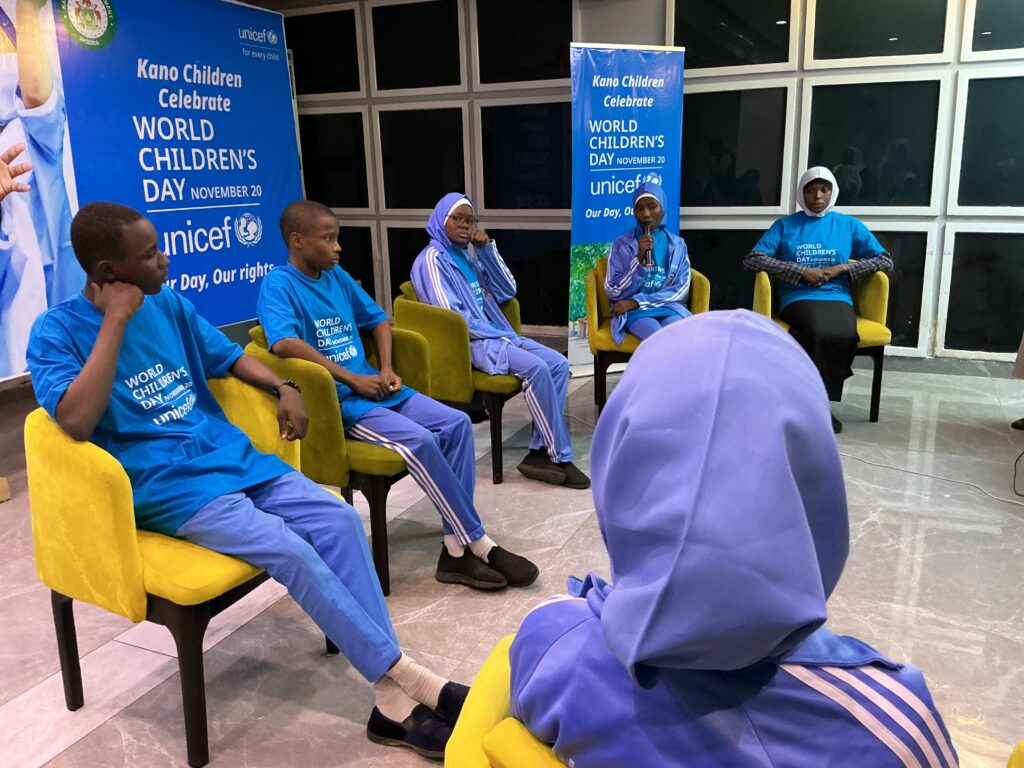
During a student panel at the World Children’s Day event, pupils from schools raised concerns about access to safe schools, functional health facilities, clean water and protection from violence and harmful practices, urging governments and stakeholders to increase investment in child welfare programs.
Farah called for continued collaboration among government, partners, civil society and communities to ensure that every child in Katsina can access healthcare, education, clean water, nutrition and protection. “Katsina State has made significant investments but sustained efforts are needed to ensure children’s rights are fully realized,” he said.

