

Mercy Corps has intensified its efforts to strengthen community capacity for conflict prevention, peaceful dispute resolution and sustainable management of natural resources in Katsina State, through a two day refresher training aimed at turning previous learning into practical community action.
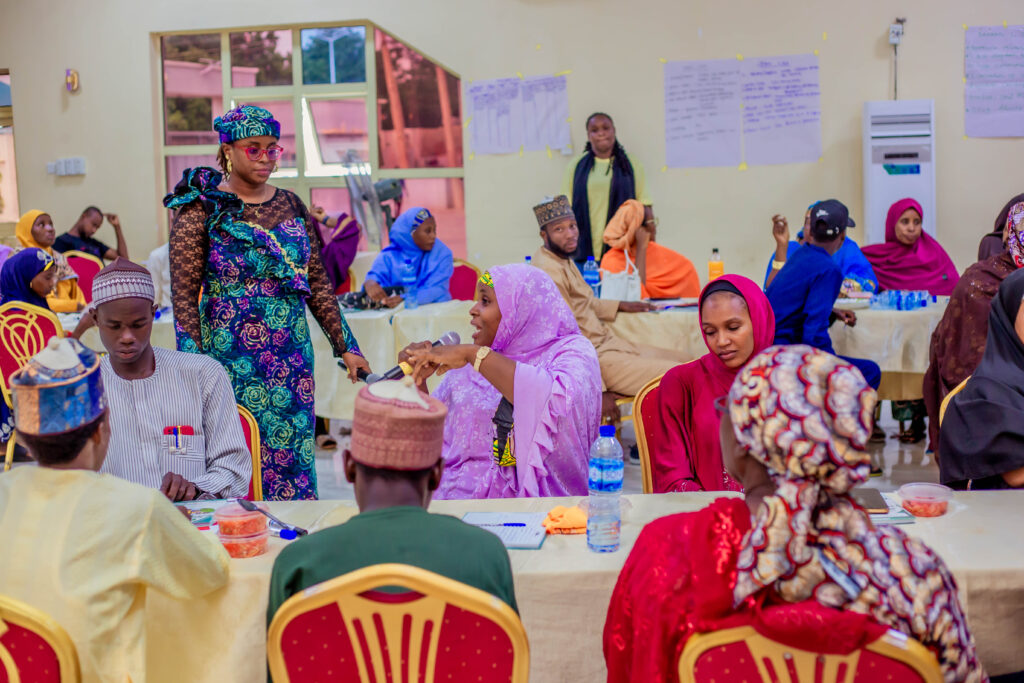
The training, held on Monday 31 and Tuesday 1 September 2026 was organised under the European Union funded Conflict Prevention, Crisis Response and Resilience Programme CPCRR, implemented in partnership with the International Organisation for Migration IOM, Mercy Corps and the Centre for Democracy and Development CDD.
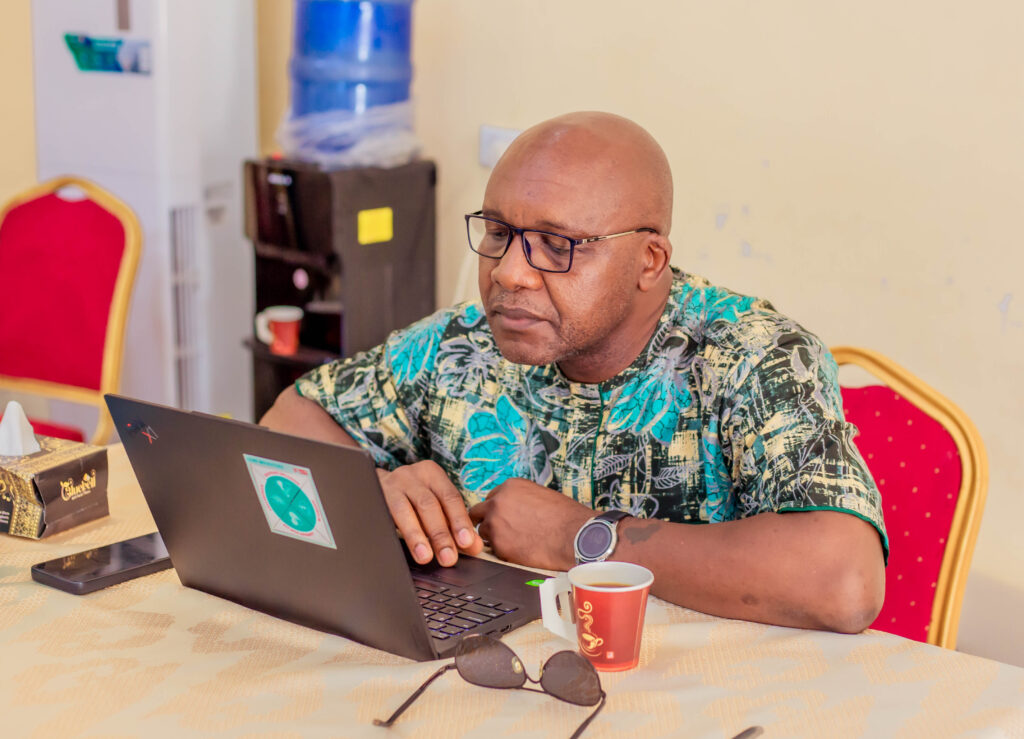
The exercise, coordinated by the Katsina Programme Manager of Mercy Corps, Mr Philip Ikita brought together community stakeholders from eight CPCRR intervention Local Government Areas in the state, with the sessions focusing on Interest Based Negotiation IBN and Community and Social Development Resource Management CSDRM.
The programme builds on the success of the Conflict Mitigation and Community Reconciliation CMCR project and seeks to promote long term peace and stability in Northwest Nigeria by addressing the root causes of conflict, enhancing community resilience and strengthening socio economic recovery.
In Katsina, the CPCRR programme covers Batsari, Danmusa, Jibia, Kankara, Dandume, Faskari, Sabuwa and Safana, where Mercy Corps leads activities aimed at strengthening community mechanisms for conflict prevention, supporting inclusive dialogue, enhancing resilience to climate related shocks and implementing community Quick Impact Projects.
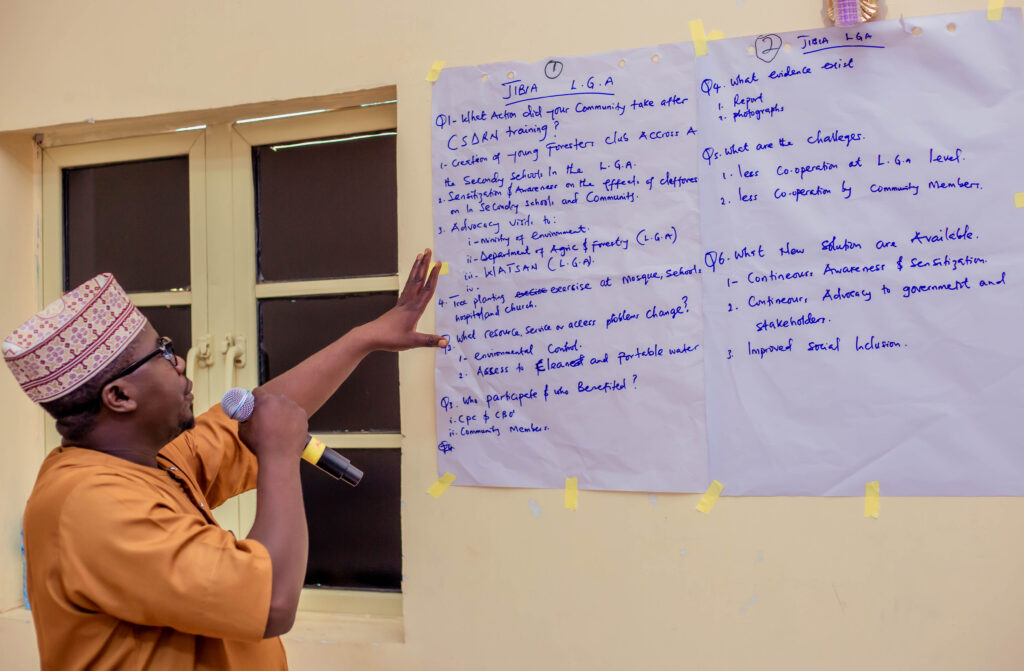
The first day of the refresher training focused on Interest Based Negotiation, enabling participants to revisit the principles and practical tools required to manage differences, understand competing interests and negotiate constructive solutions to community level conflicts. Participants assessed how they had retained and applied knowledge from previous IBN training, reflecting on experiences from their communities, approaches that had produced results, challenges encountered and lessons that could improve future conflict resolution efforts.
The sessions also provided a platform for cross LGA experience sharing, with participants discussing practical cases and identifying approaches that could be adapted to other communities. The training particularly emphasised the seven elements of Interest Based Negotiation and the keys to successful negotiation.
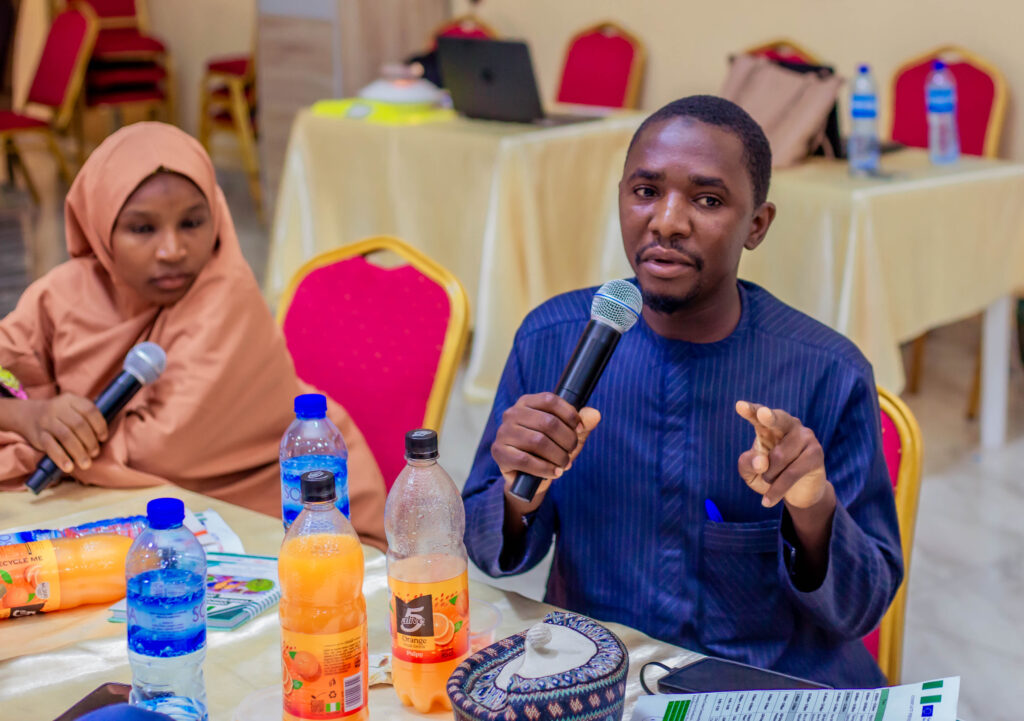
The second day focused on Community and Social Development Resource Management, designed to strengthen participants capacity to identify, map, use and protect community, social and natural resources while taking into account livelihoods, climate risks, inclusion and conflict dynamics.
Participants examined the relationship between climate change, environmental pressures and conflict, particularly the implications for livelihoods, mobility and access to resources. They were also guided on participatory approaches for updating community resource maps, identifying critical resources, basic services, access barriers, hazards and emerging community needs.
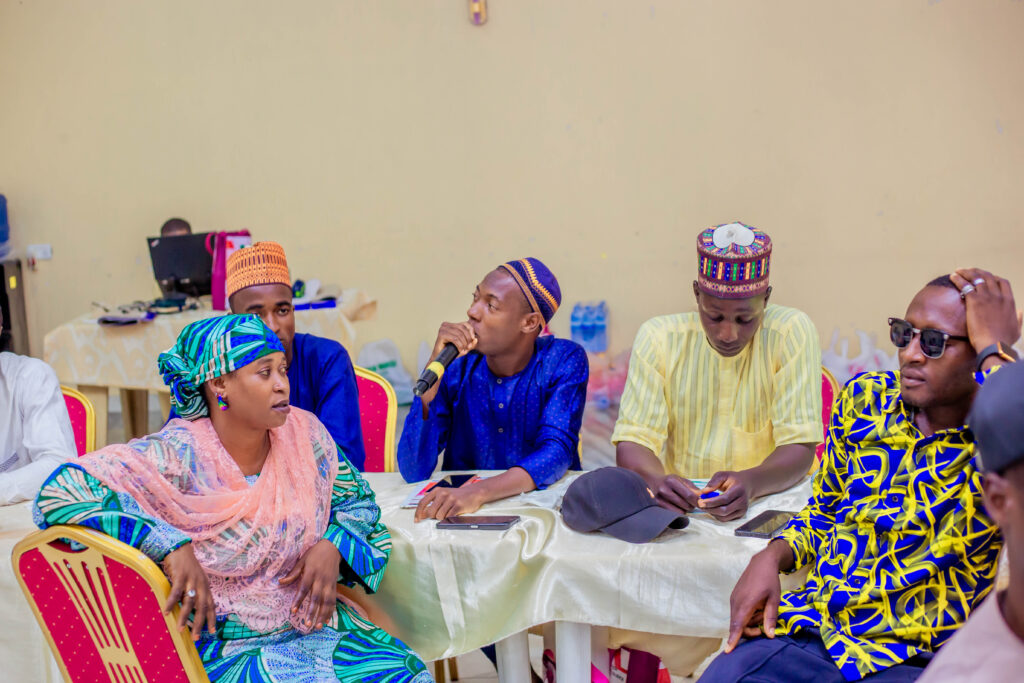
The training further encouraged participants to prioritise critical needs based on severity, urgency, inclusion and feasibility while developing practical approaches for addressing resource related challenges. Through group discussions, participatory mapping, problem tree analysis, role play and action planning, stakeholders were encouraged to take greater ownership of solutions affecting their communities.
The intervention places particular emphasis on the participation of women, youth, farmers, herders, persons with disabilities and other vulnerable groups, recognising that inclusive participation is essential to sustainable peacebuilding and effective community resource management.
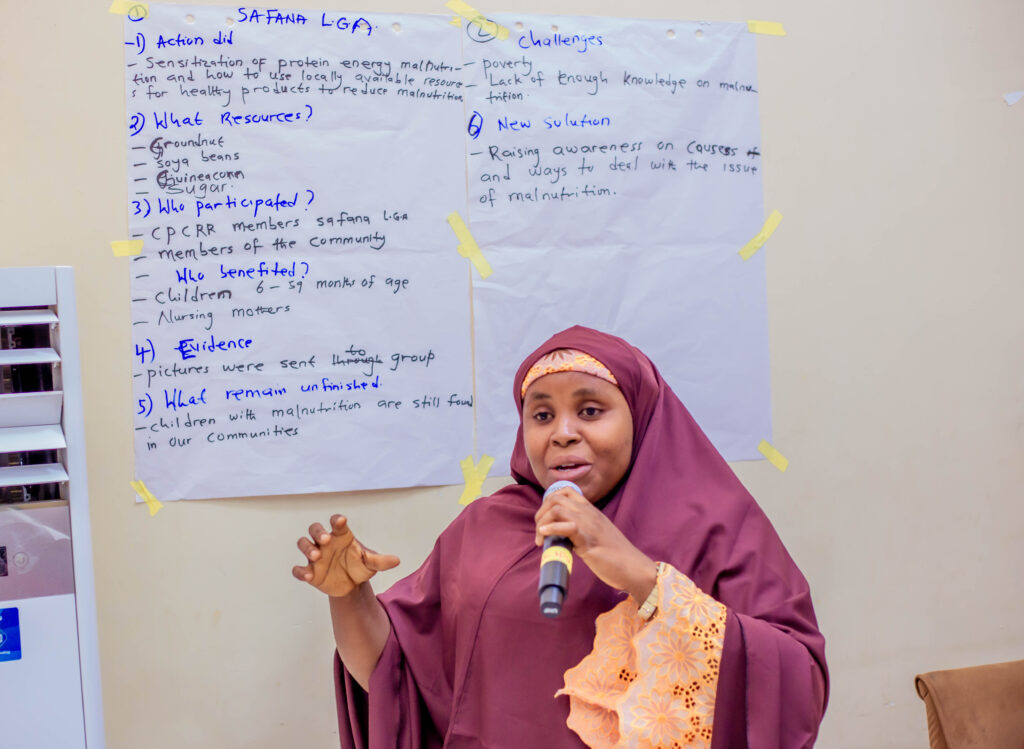
The CPCRR intervention demonstrates Mercy Corps’ broader approach to peacebuilding in Katsina which connects conflict prevention with climate resilience, inclusive decision making and socio economic recovery.
By equipping community stakeholders with practical negotiation and resource management skills, the organisation is seeking to strengthen locally led mechanisms capable of preventing disputes, managing emerging tensions and building more resilient communities.

