
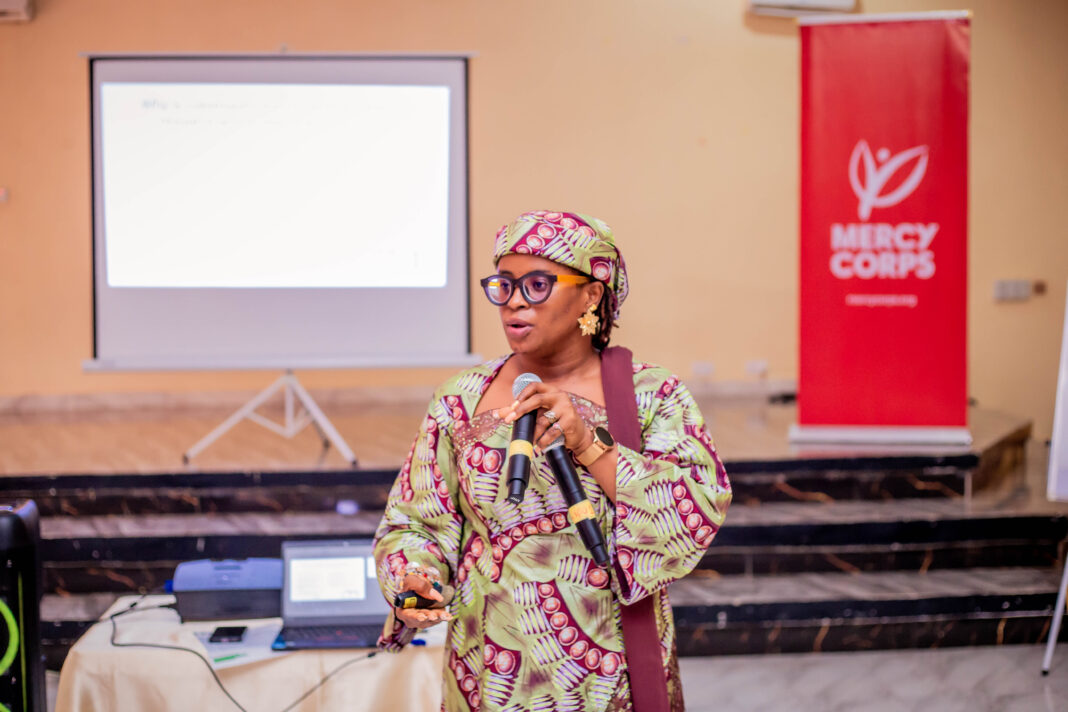

Mercy Corps in collaboration with the International Organization for Migration IOM and the Centre for Democracy and Development CDD has organised a refresher training for community stakeholders in Katsina State to strengthen their capacity for conflict prevention, negotiation, community led development and sustainable action planning.
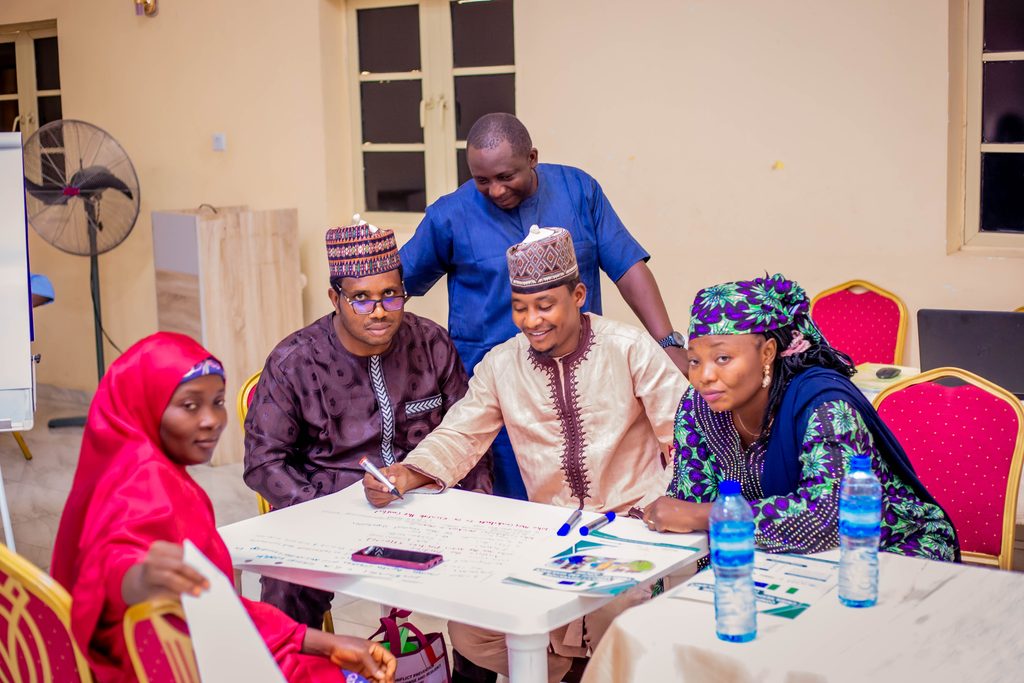
The training held on Monday, September 7 2026, at Katsina was organised under the Conflict Prevention, Crisis Response and Resilience Programme CPCRR, funded by the European Union and brought together community stakeholders to reflect on previous engagements and develop practical strategies for addressing emerging challenges.
Speaking during the training, Mercy Corps Senior Programme Manager in Katsina, Mr Philip Ikita stressed the importance of community ownership and participation in identifying, prioritising and implementing solutions to challenges affecting their communities.
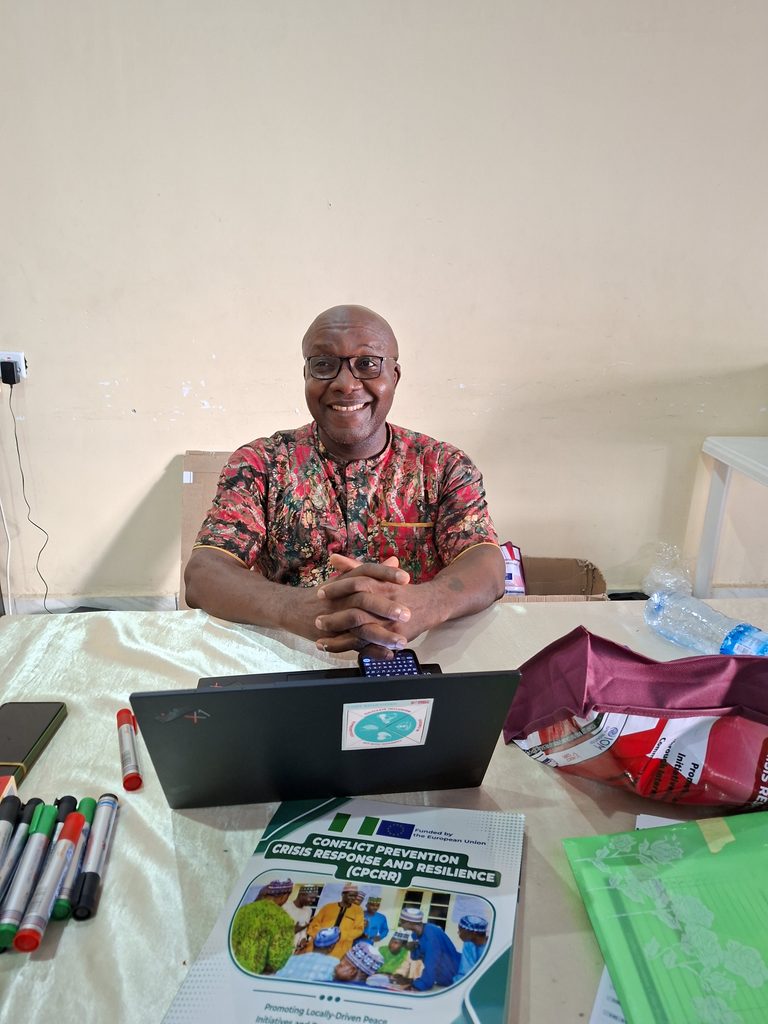
The Mercy Corps Programme Coordinator, Lynda Inkeche Daniel coordinated the training while the facilitator Mr Paul led participants through practical sessions on community led action planning, interest based negotiation, communication, relationship building and conflict management.

Mr Paul explained that effective community development requires stakeholders to understand the interests of different parties rather than concentrating only on their stated positions. Participants were encouraged to examine underlying needs, concerns, fears and motivations when addressing disagreements.
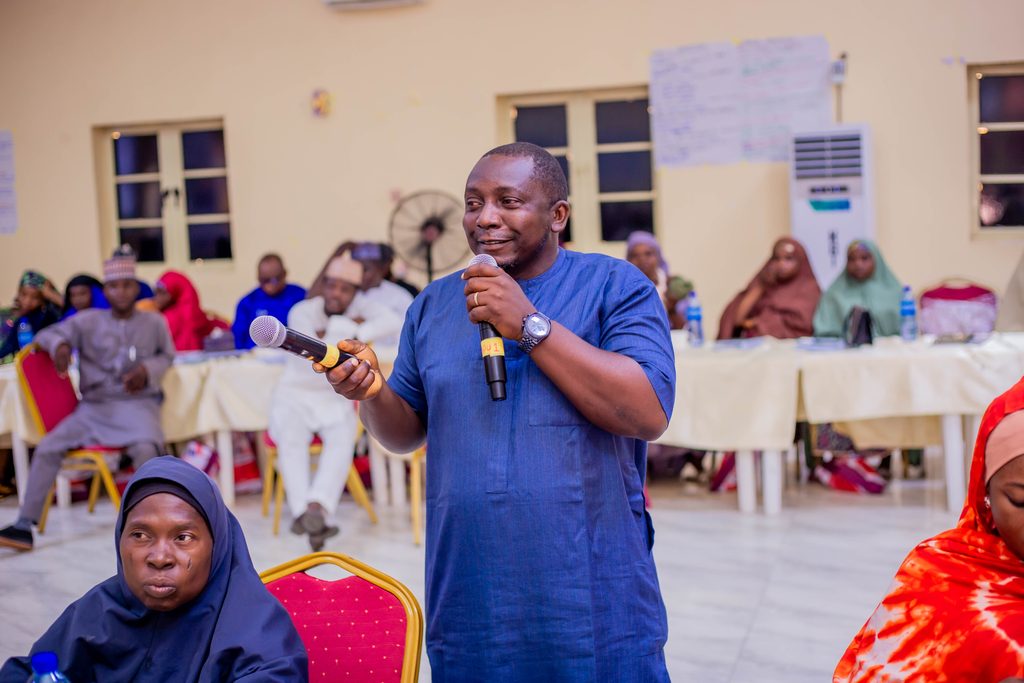
The training also focused on communication, active listening, feedback, trust and collaboration with participants examining how poor communication and weak relationships can undermine community agreements and action plans.
Through group exercises, participants identified real community challenges, examined their causes and considered the interests of affected stakeholders, including groups that are often excluded from community decision making processes. They were also guided to generate multiple solutions before selecting the most suitable option.
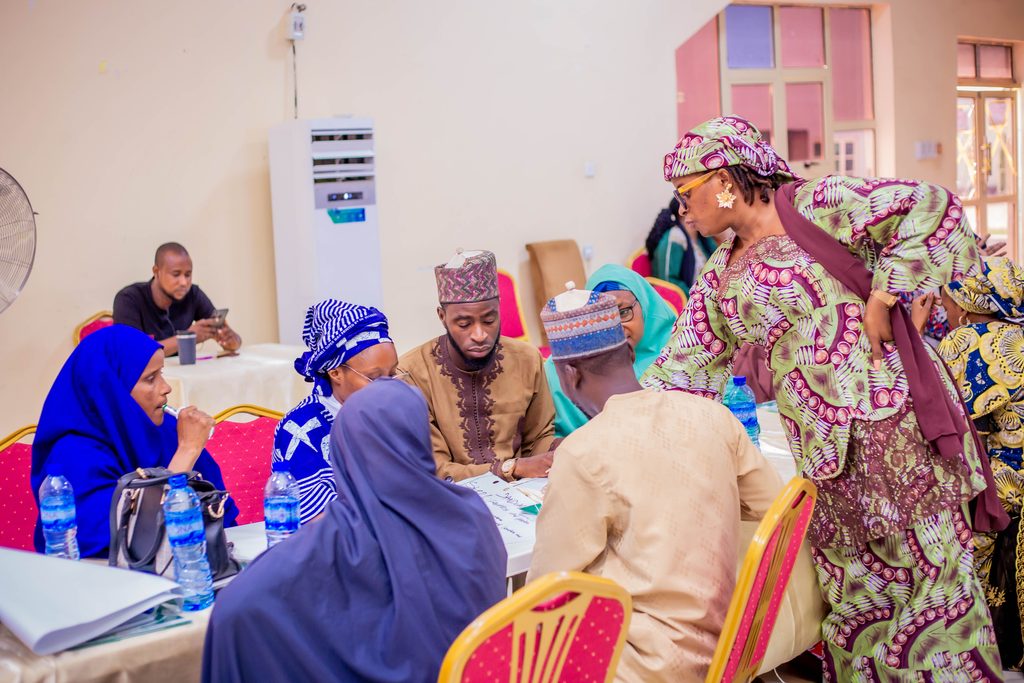
The participants further examined legitimacy and fairness in community decisions with emphasis on laws, policies, traditional practices, previous agreements and accepted community norms as important considerations when developing sustainable solutions.
Speaking on behalf of the participants, Oluwakemi Adepoju appreciated the organisers for the training, saying the practical knowledge gained would enhance participants ability to engage communities and address local challenges more effectively.
Also speaking on behalf of the participants, Harisu Mika’ilu commended Mercy Corps and the European Union for supporting the initiative, noting that the lessons from the training would help stakeholders translate community agreements into practical and sustainable actions.
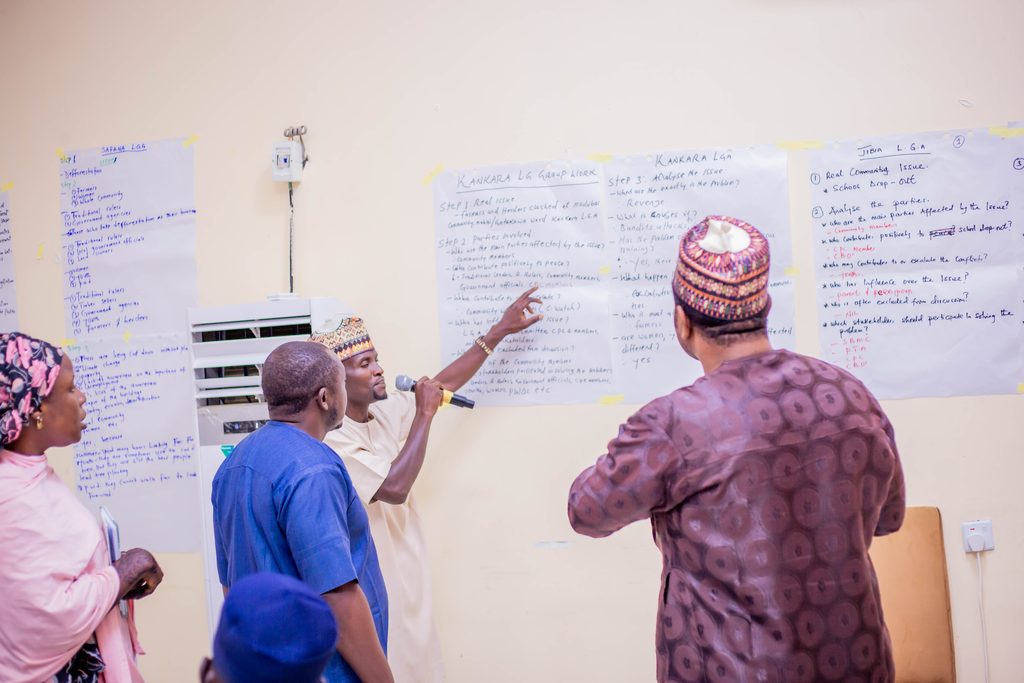
The training concluded with a review of the action planning cycle Assess, Prioritise, Plan, Act, Monitor and Adapt followed by LGA and community sustainability commitments with participants expected to identify specific, realistic and time bound actions to implement after the refresher training.

