

The sacred month of Zulhijja occupies a unique and revered place in the Islamic calendar. As the twelfth and final month of the lunar year, it ushers in the most spiritually significant days for Muslims around the world. It is a season marked by heightened devotion, sacrifice, reflection and complete submission to the will of Allah. For millions of believers, the month represents an opportunity to draw closer to their Creator through prayer, fasting, charity and the performance of Hajj, the fifth pillar of Islam.
The first ten days of Zulhijja are regarded as the most blessed days of the year. Islamic scholars and traditions emphasize that righteous deeds carried out during these days are especially beloved to Allah. Muslims intensify their worship, seeking forgiveness and divine mercy. The atmosphere is one of spiritual renewal, reminding believers that the ultimate purpose of life is obedience to Allah and service to humanity.
At the heart of Zulhijja lies the story of Prophet Ibrahim AS whose unwavering faith and readiness to sacrifice his son in obedience to Allah became a timeless example of trust and submission. Allah in His infinite mercy, replaced the sacrifice with a ram, establishing a lesson that has endured across generations. This event is commemorated during Eid al-Adha, a celebration that underscores the virtues of sacrifice, obedience and compassion.
Hajj is the pinnacle of worship during Zulhijja. Every Muslim who is physically and financially capable is required to undertake this sacred pilgrimage to Makkah at least once in a lifetime. It is a journey that transcends geography and culture, bringing together believers from every corner of the globe in a profound demonstration of unity, equality and humility before Allah.
The rites of Hajj are deeply symbolic. Pilgrims enter a state of Ihram, donning simple white garments that erase distinctions of wealth and status. They circumambulate the Holy Ka’abah, walk between Safa and Marwah in remembrance of Hajar’s search for water, stand in prayer at Arafat, spend the night in Muzdalifah and perform the symbolic stoning of the Jamarat. Each rite reinforces the enduring lessons of faith, patience and perseverance.
Hajj is often the culmination of years of aspiration and preparation. Many save for decades in anticipation of this once in a lifetime opportunity. The journey demands not only financial sacrifice but also physical endurance and spiritual readiness. The reward, however, is immense. The Prophet Muhammad SAW taught that an accepted Hajj leaves the pilgrim as free from sin as on the day he or she was born.
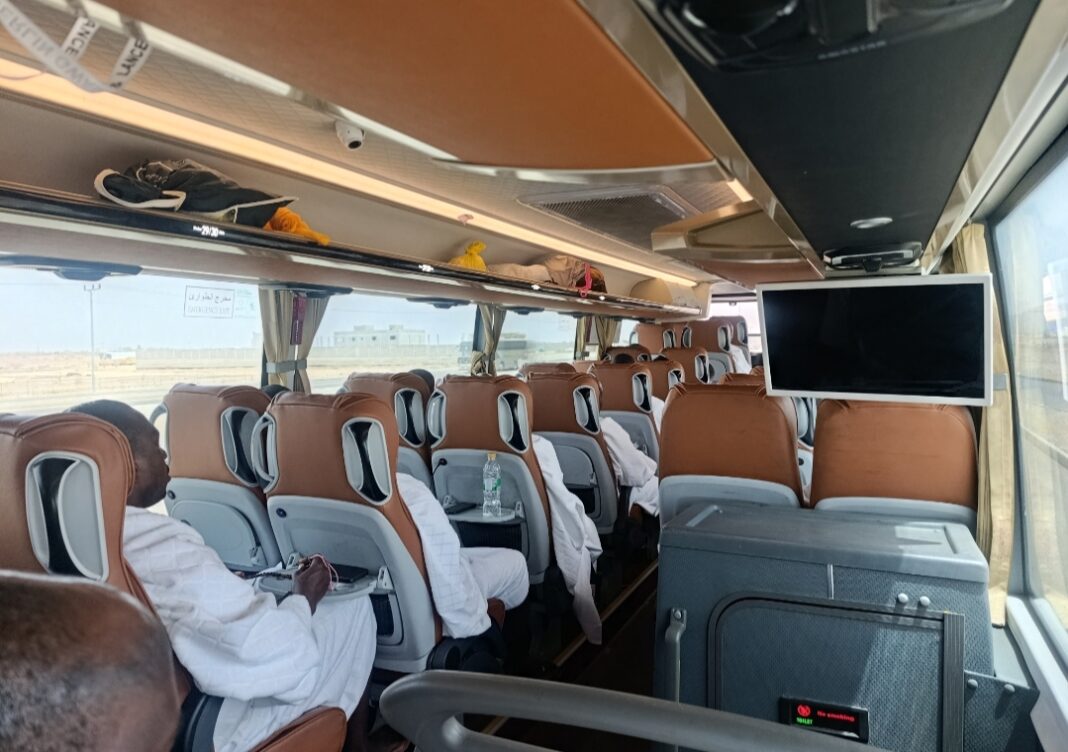
The pilgrims from Katsina State, this year’s journey has been particularly memorable. On the second day of Zulhijja, the state’s pilgrims departed Madinah for Makkah, moving from the serenity of the Prophet’s city to the sacred center of Islamic worship. The transition marks the beginning of the most significant phase of their pilgrimage, one filled with anticipation, prayer and hope for divine acceptance.
The departure from Madinah carries deep spiritual meaning. During their stay, pilgrims had the privilege of praying in the Prophet’s Mosque and offering salutations to Prophet Muhammad SAW. This experience provided peace and emotional preparation for the demanding rites that await in Makkah. As they journey onward, their hearts are filled with gratitude and a renewed sense of purpose.
Much of this positive experience can be attributed to the thoughtful interventions of Dikko Umaru Radda. Governor Radda has demonstrated a rare commitment to the welfare of Katsina pilgrims, ensuring that they undertake their sacred journey with comfort, dignity and peace of mind. His administration’s approach to the 2026 Hajj exercise has earned widespread commendation both at home and in the Holy Land.
One of the most remarkable initiatives introduced by the governor was the provision of five hundred United States dollars to each intending pilgrim before departure from Nigeria. This unprecedented gesture significantly eased the financial burden on pilgrims and provided them with much needed support for personal expenses. In a period of global economic uncertainty, the intervention was both timely and deeply appreciated.
Governor Radda’s support extended far beyond financial assistance. The state government, working closely with the Katsina State Pilgrims Welfare Board, ensured the smooth and orderly airlift of pilgrims to Saudi Arabia. The efficient coordination reflected meticulous planning and a genuine desire to make the journey as seamless as possible.
Upon arrival in Madinah, pilgrims were accommodated in comfortable facilities strategically located near the Prophet’s Mosque. This thoughtful arrangement enabled them to attend daily prayers with ease especially elderly pilgrims and those with health challenges. The proximity to the mosque enhanced their spiritual experience and reduced the physical strain often associated with long distance travel.
The feeding arrangements have also been widely praised. Pilgrims reported receiving quality meals in adequate quantities and at consistent intervals. Reliable feeding eliminated the stress of sourcing food in a foreign environment and allowed pilgrims to devote themselves fully to worship, reflection and preparation for the rites ahead.
These welfare measures demonstrate a profound understanding of the realities of Hajj. Pilgrims need more than transportation, they require financial support, decent accommodation, nutritious meals and responsive care. By addressing these essential needs, Governor Radda has set a new benchmark for pilgrim welfare in Katsina State and beyond.
Reports from the Holy Land indicate that pilgrims have responded with heartfelt appreciation. Many have offered prayers for the governor, describing his interventions as evidence of compassionate and visionary leadership. Their testimonies reflect the practical impact of policies rooted in empathy and a commitment to public service.
The move from Madinah to Makkah on the second day of Zulhijja has therefore been accompanied by a strong sense of gratitude. Pilgrims embark on this critical stage of their journey reassured that their state government has prioritized their comfort and well being. This peace of mind allows them to focus fully on the spiritual purpose of Hajj.
Yet, even in the midst of these commendable achievements, there remains one area that deserves thoughtful review. Some pilgrims have observed that while accommodation and feeding arrangements were excellent, the performance of certain religious preachers and guides could be improved.
Spiritual guidance is an indispensable component of Hajj. Pilgrims, particularly first timers, rely heavily on preachers to explain the rules of Ihram, the significance of each rite and the proper procedures for completing the pilgrimage. Effective teaching helps them avoid mistakes and enriches their understanding of the sacred journey.
Constructive feedback suggests that greater attention should be given to the selection and preparation of preachers. Religious guides should combine sound scholarship with strong communication skills, patience and the ability to engage meaningfully with pilgrims of varying educational backgrounds.
Enhancing this aspect of the Hajj exercise would complement the impressive logistical achievements already recorded. With improved preaching and counseling, pilgrims would benefit from both physical comfort and deeper spiritual insight, making their journey even more rewarding.
The willingness to embrace constructive suggestions is itself a hallmark of effective leadership. Governor Radda has consistently demonstrated openness to ideas that can strengthen public service delivery. Reviewing the role of preachers would therefore represent another step in the continuous improvement of the state’s Hajj administration.
As pilgrims settle in Makkah and prepare for Tawaf, Sa’i and the standing at Arafat, they carry with them the prayers of families and the entire Katsina state and its leaders. Their journey symbolizes the enduring values of sacrifice, humility and faith that define the month of Zulhijja.
The lessons of this sacred month extend beyond the individual pilgrim. They remind societies of the importance of compassion, service and accountability. Leadership like worship is most meaningful when it alleviates burdens and enables others to fulfill their highest aspirations.
Governor Dikko Umaru Radda’s stewardship of this year’s Hajj exercise offers a compelling example of such leadership. Through generous financial support, efficient logistics, quality accommodation and dependable feeding, his administration has transformed the pilgrimage experience for thousands of Katsina citizens.
At the same time, the suggestion to strengthen the quality of preaching provides an opportunity to perfect an already impressive system. By addressing this final element, Katsina State can establish itself as a national model for holistic pilgrim welfare.
Zulhijja teaches that true success lies in striving for excellence in all acts of devotion and service. The journey from Madinah to Makkah mirrors the broader journey of faith, marked by sacrifice, perseverance and hope in Allah’s mercy.
Katsina pilgrims journey has been made significantly easier by the uncommon commitment of Governor Radda. As they continue their prayers in the Holy Land, many will undoubtedly remember him in their supplications, asking Allah to reward the leadership that has enabled them to worship in comfort and dignity.
Their gratitude is more than a personal sentiment, it is a powerful affirmation that responsive and compassionate governance can touch lives in the most meaningful ways. In this blessed month of Zulhijja, that achievement stands as one of the most enduring legacies of Governor Dikko Umaru Radda’s administration.

